
The short answer
To hire a senior engineer who does not know your stack, test for the hard parts of your problem instead of the syntax. Look for scale, database depth and ownership, be clear about the learning curve on day one, and move quickly. Strong engineers rarely reject a role over language alone.
Last week I spoke to engineers working in Java, Go and Python about a Rails role. Not one of them treated the language as the problem.
One senior backend engineer told me it was refreshing that the company did not require experience with Ruby and would consider other languages.
That reaction says a lot about where hiring goes wrong for startups. A founder writes a spec around the stack they know. The people best placed to do the job are sitting in a different one.
Does the language matter as much as founders think?
For most senior roles, less than you would expect. The engineers I spoke to had run databases around 1TB and beyond, built services handling tens of thousands of requests a second, and led teams through incidents most of us would not want to explain at a board meeting.
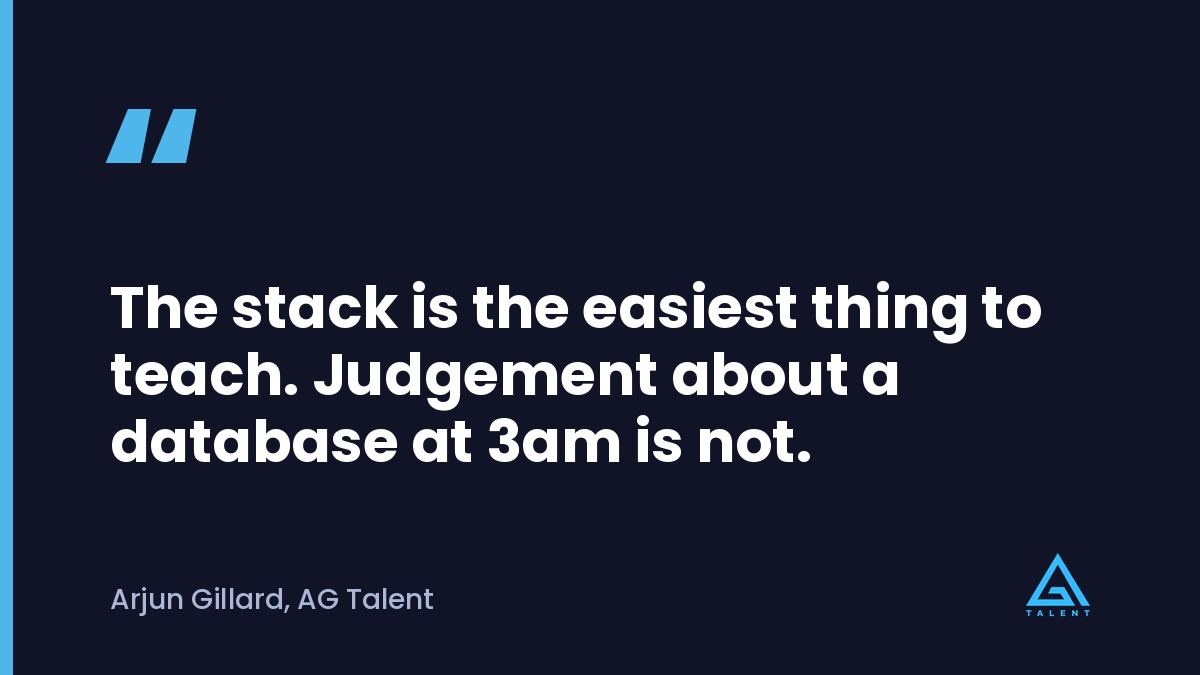
Language is the layer you can learn quickly, and AI has made that far easier. An experienced engineer can now use it to read an unfamiliar codebase, translate patterns from the language they know, and get unstuck in minutes instead of days. Picking up a new language is a much smaller job than it was even two years ago. Judgement about a failing database at 3am is not. A founder with a small team and a lot of risk usually needs the second thing more.
That does not mean stack is irrelevant. For a team of three, a hire who needs to be taught everything is expensive. The point is to separate the language from the problem, and be honest about which one you are really hiring for.
What should you test for instead of the stack?
Start with the hardest thing the person will actually do in their first six months. If it is keeping a large Postgres instance healthy, ask about that. If it is shipping fast with very little process, ask about that.
The strongest conversations I had last week were not about syntax. They were about a migration that went wrong, a split brain incident, or a service that had to survive a tenfold traffic spike.
Those stories tell you how someone thinks under pressure. You can hear it in the details they remember.
Why do senior engineers ask about the stack so early?
Because they know it is the objection they will get. Engineers moving across languages tend to raise it first, so the conversation is on their terms.
It is also a sign of respect for you. They would rather say it on call one than spend three interviews hoping you do not notice.
Treat it as a good signal. Someone who raises the gap and still wants to go ahead has already thought about the learning curve. If you want more on what makes people walk away at the end, I wrote about it in why engineers reject job offers.
How fast do you need to move?
Faster than feels comfortable. Two of the people I spoke to asked about feedback timelines more than once. One asked three separate questions about it in a single call.
The best people are rarely waiting for you. Many of them had other conversations running, or were between projects after a contract ended or a team was cut. A process that takes six weeks loses them to whoever replies first.
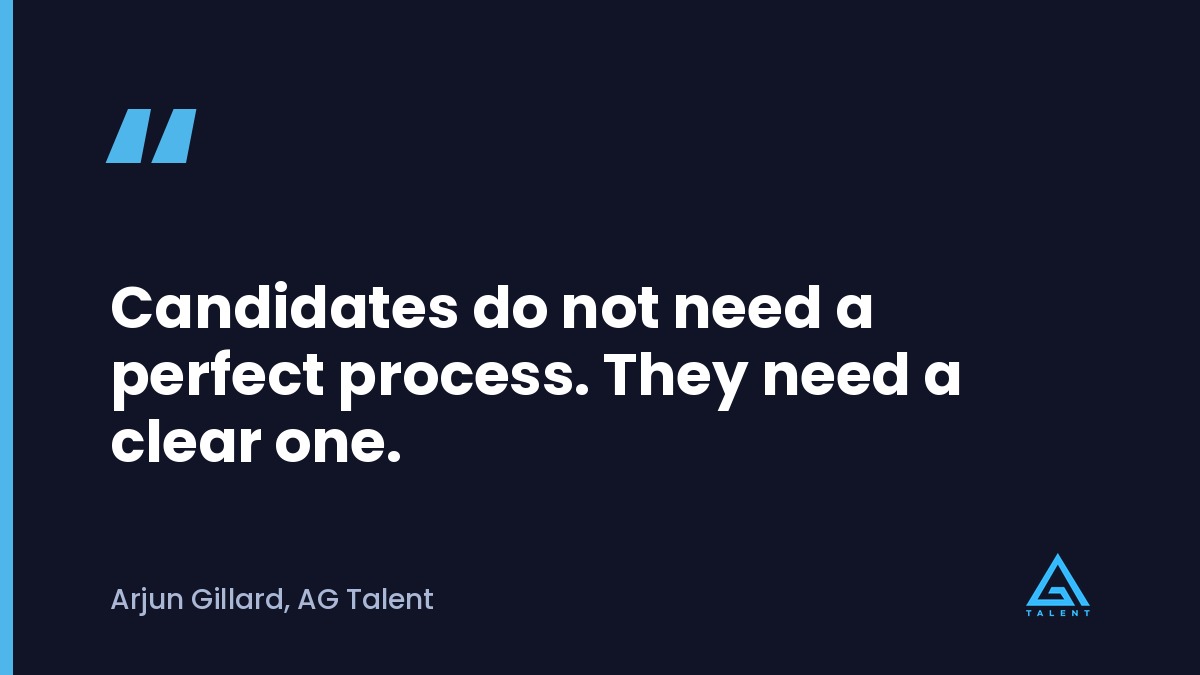
A clear, short process also tells candidates something about the company. It says someone has thought about what they are doing. Our hiring process for founders guide lays out a version you can copy.
What does a good brief look like for a cross stack hire?
Write down the problem, not the tool list. What does the person own? What will they inherit? Where is the risk? Then write down what you will teach and who will teach it.
Our engineering role brief is a one page version of this. It forces the “must have” and “will learn” split that most specs skip.
If your search involves a language that is hard to find, such as Elixir, widening the stack is often the difference between a role that fills and one that sits open. We saw this on a Germany based Elixir and React search. If you would like help shaping a brief like that, our services page explains how we work.
Questions this search answers
Can a senior engineer learn a new language quickly?
Usually yes. A strong senior engineer with years of production experience tends to carry the hard skills across languages: system design, databases, debugging and judgement. Syntax and framework habits come quickly, and AI tooling makes picking up a new language far easier than it used to be. Plan for a short ramp up period and agree what good looks like at 30, 60 and 90 days.
Should I hire for stack or for experience?
For a small team with a lot of risk, hire for the hardest problem the person will face, then check the stack gap is manageable. If the stack is genuinely the product, such as a niche framework, weight it more. Otherwise depth of experience usually wins over a matching language.
How do I assess an engineer on a stack they have not used?
Ask about the equivalent problems they solved in their own stack: scale, data, incidents and ownership. Then give a short practical exercise in your language with some support. You are testing how they learn and reason, not whether they remember the syntax.
Why do engineers ask about the stack so early in the process?
They know it is the likely objection and would rather be upfront than waste your time. It is usually a good sign. It shows they have thought about the gap, and it gives you a chance to explain how you would support them.
How long should a senior engineering hiring process take?
As short as you can make it while still being fair. Strong candidates often have other conversations running and ask about feedback timelines early. A clear process with defined stages and quick replies keeps people engaged and protects you from losing them to a faster competitor.
The stack on your spec matters less than the problem on your desk. Write the problem down first.
Arjun Gillard
Founder, AG Talent
agtalent.co.uk